Victorian terraces combine tall ceilings, narrow rooms, sash windows and distinctive architectural details. Their heating must therefore deliver enough warmth without looking undersized or disrupting original features. Careful heat-loss calculations, appropriate radiator proportions and sympathetic finishes can create modern comfort while preserving the balanced character that makes these period homes appealing.
Renovating a Victorian terrace requires more than choosing heating equipment by appearance. High ceilings, solid walls, suspended floors and large windows can allow heat to escape quickly, while narrow rooms provide limited usable wall space. The right radiators must suit these proportions and produce enough warmth for each room. Collections from manufacturers such as Stelrad include column, panel, vertical and high-output designs that can support different layouts and interior styles. Before buying, homeowners should assess heat loss, insulation, pipework and the intended heat source. This planned approach protects period character while creating a comfortable, efficient home for modern everyday living.
Calculate Heat Loss Before Choosing a Style
Radiator selection should begin with performance. Two rooms of similar size can require different heat outputs because of their windows, external walls, ceiling heights and insulation levels.
Victorian front rooms often have high ceilings and large bay windows, while rear additions may contain several exposed surfaces. A room-by-room heat-loss calculation accounts for these differences and provides the required output in watts or BTUs.
Do not select a radiator solely because it fits an available wall. An undersized unit may leave the room cold, while an unnecessarily large one can dominate the space and increase project costs.
Respect the Scale of Tall Rooms
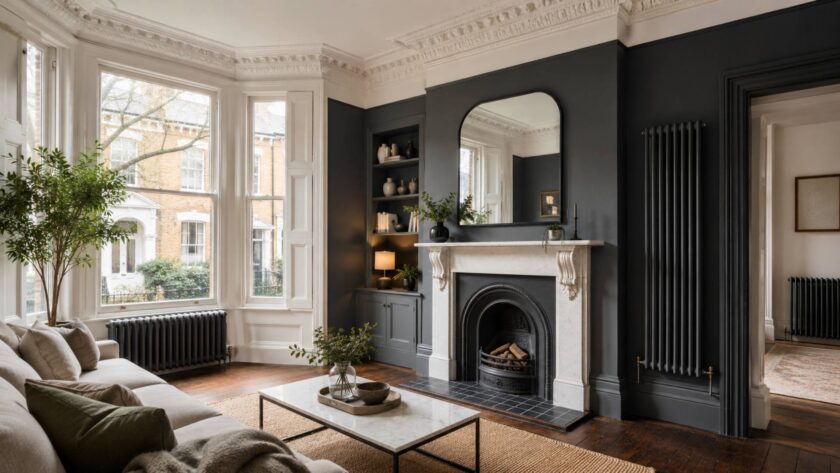
Period rooms can make small, modern radiators look visually lost. A taller column radiator often suits the proportions better because its repeated vertical lines reflect the height of doors, windows and decorative mouldings.
Horizontal column radiators can sit naturally beneath sash windows or along substantial wall sections. Their traditional form works well in period interiors without requiring an original cast-iron unit.
The number of columns influences depth and heat output. A deeper four-column or six-column model may deliver more warmth where wall width is restricted, but sufficient clearance must remain for circulation and everyday movement.
Use Vertical Radiators in Narrow Spaces
Victorian terraces often have compact hallways, chimney breasts, alcoves and rooms with several doors. These features can leave few uninterrupted horizontal walls.
A vertical radiator uses height rather than width, making it practical for narrow kitchens, hallways and renovated rear rooms. Traditional vertical column designs can retain a period feel, while flat-front or tubed models create a quieter contemporary contrast.
Check the radiator’s projection from the wall as well as its width. A model that provides strong output may still be unsuitable if it obstructs a passage or prevents a door from opening fully.
Choose High Output Without Overcrowding the Room
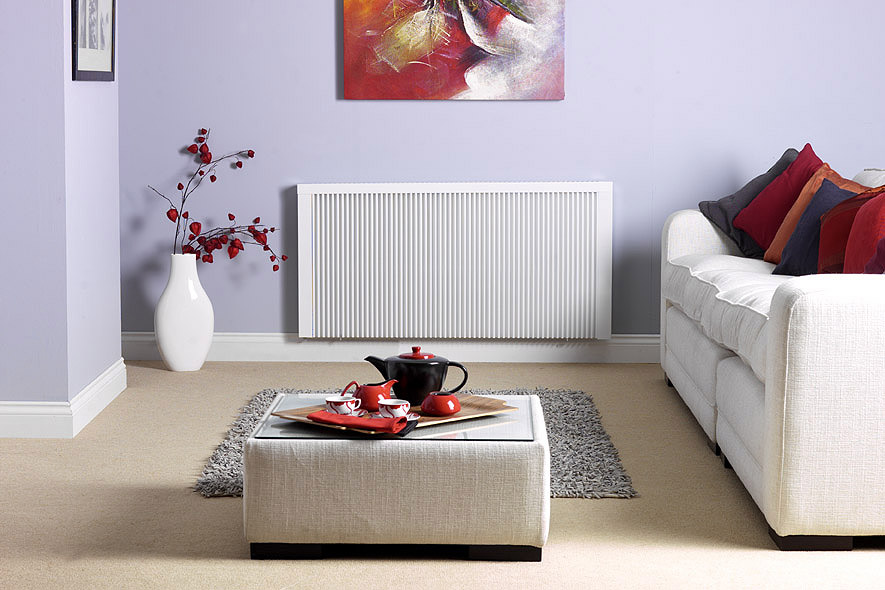
A compact panel radiator with additional convector fins can provide substantial warmth from a limited wall area. Double-panel and triple-panel models are particularly useful where the room needs high output but furniture or architectural details restrict radiator width.
High-output options from Stelrad allow renovators to consider performance alongside depth, height and finish. This flexibility can be valuable in front reception rooms, open-plan living areas and colder rear extensions.
Avoid placing large furniture directly in front of a radiator. Restricted airflow reduces effective heat distribution and may force the heating system to operate for longer.
Match Radiators to the Heat Source
The planned heat source affects radiator sizing. A modern boiler and a heat pump may operate at different water temperatures, so the same radiator will not provide identical output with both systems.
Heat pumps generally work most efficiently with lower flow temperatures. Radiators may therefore need greater surface area or additional panels and convectors. A full heating survey should confirm whether existing pipework and radiators are suitable.
Always compare output figures at the correct Delta T. This measurement represents the difference between the radiator’s average water temperature and the room temperature. Using an unsuitable rating can lead to incorrect sizing.
Improve the Building Fabric Carefully
Heating performance depends heavily on how well the terrace retains warmth. Draughts around windows, gaps in suspended floors and poorly insulated roof spaces can undermine even a powerful radiator system.
Address obvious heat loss before finalising radiator sizes, but take care with the building’s construction. Solid walls must manage moisture correctly, and inappropriate insulation can create condensation problems.
Where original sash windows are being retained, well-fitted draught proofing and suitable secondary glazing may improve comfort without removing period detail. Seek specialist advice when the property is listed or located within a conservation area.
Coordinate Colour, Valves and Pipework
Radiator colour can influence how comfortably the heating sits within a period scheme. Traditional neutrals create a restrained look, while darker shades can turn a column radiator into an intentional architectural feature.
Valves deserve equal attention. A carefully chosen radiator can lose its impact when paired with fittings that clash with the room. Confirm that decorative valves are technically compatible with the radiator and heating system.
Plan pipe routes before decorating or laying new flooring. Moving connections later can damage fresh plaster, timber floors and fitted joinery. Existing pipe centres may influence the final model, but performance should not be compromised purely to avoid minor installation work.
Conclusion
Successful heating design in a Victorian terrace balances output, proportion and architectural sensitivity. Begin with a room-by-room heat-loss calculation rather than choosing radiators by appearance alone. Tall column models can complement generous ceiling heights, while vertical radiators make better use of narrow walls. High-output panel designs can provide strong performance where floor area and wall width are limited.
Consider the heat source before confirming any radiator. Lower-temperature systems may require greater surface area, and output figures must be compared at the correct Delta T. Insulation, draught control, pipe routes and furniture placement also influence how effectively warmth reaches the room.
Thoughtful finishes and compatible valves help the system feel integrated rather than added later. With its range of traditional column, high-output, vertical and designer radiators, Stelrad gives renovators practical options for combining period proportions with efficient modern heating, preserving the terrace’s character without accepting uneven or inadequate warmth.