As the temperatures drop and the first dusting of snow blankets the landscape, the modern American home transforms into a cozy refuge. We retreat indoors, seal up our windows, and rely heavily on gas-powered furnaces, water heaters, and fireplaces to maintain a sanctuary of warmth. While these systems are marvels of engineering designed for comfort and convenience, they also require diligent oversight to ensure they operate safely. The sealed nature of our homes during the colder months means that any malfunction in gas combustion or venting can quickly become a significant hazard. Prioritizing carbon monoxide testing in winter is not merely a technical recommendation; it is a fundamental pillar of responsible homeownership that protects your family from the “silent killer.”
Understanding the mechanics of gas safety is the first step toward a worry-free season. Natural gas and propane are incredibly efficient fuel sources, but they must be burned completely and vented correctly to prevent the accumulation of harmful byproducts. When a furnace or boiler is well-maintained, it provides reliable, even heat that keeps your pipes from freezing and your living spaces inviting. However, the transition from the idle months of summer to the high-demand cycles of winter can strain aging components, making an early-season inspection an essential part of your winterization checklist.
The Invisible Threat: Understanding Carbon Monoxide
Carbon monoxide (CO) is a colorless, odorless, and tasteless gas produced by the incomplete combustion of fuels. Because it is impossible to detect with human senses, it can accumulate to dangerous levels without anyone in the household realizing there is a problem. The symptoms of CO poisoning—headaches, dizziness, and nausea—are often mistaken for the common flu, which is why the risk is particularly high during the peak of the viral season.
How Malfunctions Occur
Most CO issues in the home stem from cracked heat exchangers in furnaces or blocked chimney flues. A heat exchanger is the metal component that transfers heat from the combustion chamber to the air blowing through your vents. Over years of constant expansion and contraction, the metal can develop hairline fractures. If these cracks go unnoticed, exhaust gases can leak directly into your home’s airflow. Similarly, bird nests or debris in a chimney can prevent water heaters from venting properly, causing “backdrafting” where the exhaust enters the utility room instead of exiting through the roof.
The Role of Professional Gas Safety Inspections
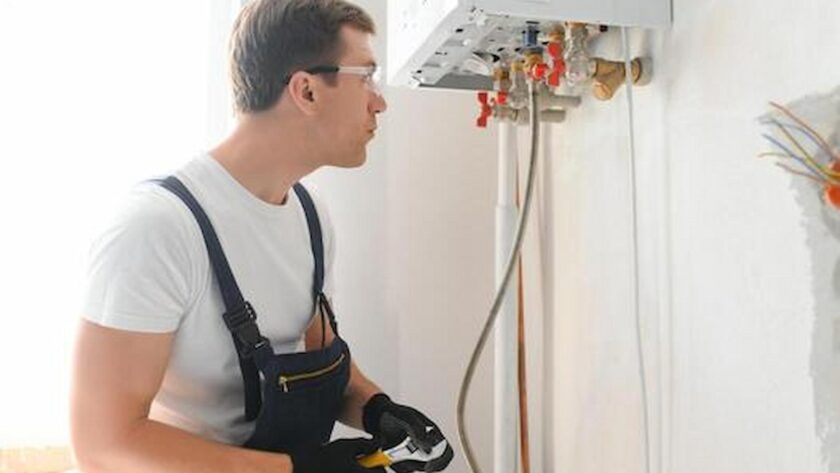
A professional gas safety inspection goes far beyond a simple visual check. A qualified HVAC technician uses specialized equipment to measure the integrity of your gas lines and the efficiency of your burners. They look for signs of “sooting,” which indicates that a burner isn’t getting enough oxygen, and they check the gas pressure to ensure the system isn’t being over-fired. These technical adjustments not only make the home safer but also improve the energy efficiency of the unit, potentially lowering your monthly utility bills.
During a comprehensive visit, the technician will also calibrate your thermostat and inspect the pilot light or electronic ignition system. A steady, blue flame is a sign of healthy combustion, while a flickering yellow or orange flame is a red flag that requires immediate adjustment. By catching these small issues in November or December, you avoid the stress and high costs of emergency repairs during a January blizzard.
Strengthening Your Home’s Defense System
While professional inspections are the gold standard, there are several steps homeowners can take to bolster their home’s safety profile. Technology has made it easier than ever to monitor your indoor environment in real-time. Ensuring that your home is equipped with the latest detection technology and that your family knows how to respond to an alarm is vital. Integrating carbon monoxide testing in winter into your routine maintenance ensures that your detectors are placed in the optimal locations—usually near sleeping areas and on every level of the home—to provide the earliest possible warning.
Key Winter Gas Safety Tips
To maintain a safe and efficient home throughout the harshest months of the year, consider the following best practices for gas appliance management:
- Test Alarms Monthly: Press the “test” button on every CO and smoke detector to ensure the batteries and internal sensors are functioning.
- Clear External Vents: After a heavy snowfall, check that your furnace and water heater exhaust pipes on the side of the house aren’t buried in drifts.
- Never Use Ovens for Heat: Using a gas stove or oven to warm a room is extremely dangerous and a leading cause of CO buildup.
- Keep Combustibles Away: Ensure there are at least three feet of clear space around your furnace and water heater; avoid storing paint or chemicals nearby.
- Schedule Annual Service: A yearly tune-up by a licensed professional is the best way to validate your manufacturer’s warranty and ensure peak performance.
Enhancing Home Comfort and Longevity
Beyond the critical safety aspect, regular gas inspections contribute to the overall longevity of your HVAC system. A clean, well-calibrated furnace doesn’t have to work as hard to reach the desired temperature, which reduces wear and tear on the blower motor and heat exchanger. This proactive care can add years to the life of your equipment, delaying the need for a costly full-system replacement. Furthermore, a properly functioning system provides a more consistent “quality” of heat, eliminating the dry, dusty air often associated with neglected units.
Conclusion
Staying safe this winter is a combination of modern technology, professional expertise, and consistent homeowner vigilance. By prioritizing gas safety inspections and ensuring your detection systems are operational, you create a secure environment where your family can focus on the joys of the season rather than the risks. Remember that your heating system is the heart of your home during the winter months; treat it with the care it deserves, and it will reward you with reliable warmth and peace of mind. Don’t wait for a warning sign to take action—schedule your safety check today and breathe easier knowing your sanctuary is truly protected.