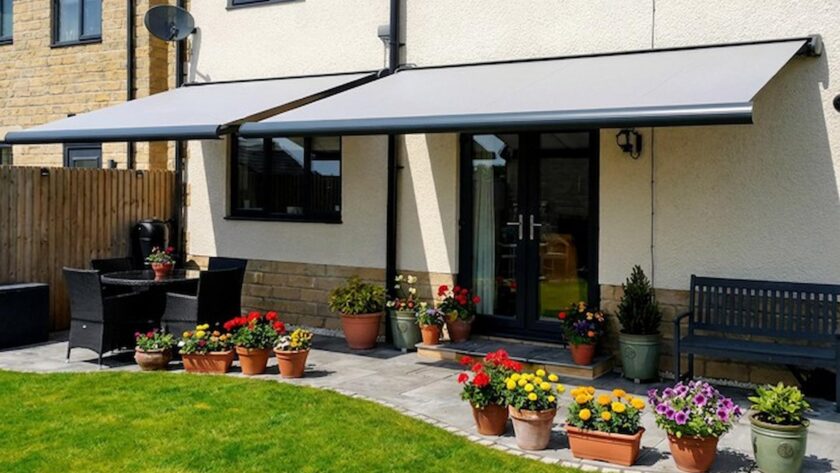
Awnings are a practical and stylish addition to outdoor spaces, offering shade, comfort, and protection from the elements. Whether installed over a patio, garden seating area, or commercial frontage, a well-fitted awning enhances both functionality and appearance. However, achieving a perfect fit requires careful planning, precise measurements, and professional installation.
When exploring options such as freestanding awnings, it becomes clear that the process is not simply about choosing a design. It involves a structured approach to ensure the awning suits the space, performs reliably, and remains secure over time. Understanding how awnings are measured and fitted helps set realistic expectations and ensures a smoother installation experience.
Why Accurate Measurements Matter
The success of any awning installation begins with accurate measurements. An awning that is too large may overwhelm the space or require structural adjustments, while one that is too small may fail to provide adequate coverage.
Professionals take several factors into account during the measurement stage. These include the width of the installation area, the projection required for shade, and the available mounting height. In addition, they assess surrounding features such as doors, windows, gutters, and outdoor furniture to avoid obstructions.
Precise measurements ensure that the awning fits seamlessly into the space and operates effectively without interference. This stage also helps determine the most suitable type of awning for the property.
The Initial Site Survey
Before installation, a professional installer typically conducts a site survey. This is a detailed inspection of the area where the awning will be fitted.
During the survey, installers evaluate the structural integrity of the mounting surface. Brickwork, concrete, timber, or steel supports are assessed to ensure they can safely hold the awning. Wind exposure is also considered, particularly in open or elevated areas where stronger fixings may be required.
The survey also allows for discussion of preferences such as positioning, height, and angle. This collaborative approach ensures that the final installation meets both practical needs and aesthetic expectations.
Choosing the Right Position and Angle
Placement plays a significant role in how effective an awning will be. A professional installer will recommend positioning that maximises shade while maintaining natural light indoors.
The angle of the awning is equally important. A steeper pitch can provide better rain runoff and sun protection, while a shallower angle may suit certain architectural styles. Installers carefully balance these factors to achieve both performance and visual appeal.
Orientation is also considered. For example, south-facing areas may require deeper projection to block intense sunlight, while north-facing spaces may need less coverage.
The Measurement Process in Detail
Professional measurement goes beyond simple width and depth calculations. It involves a systematic approach that ensures precision at every stage.
Key elements of the process include:
- Width measurement: Determining the full span of the area to be covered, including any additional clearance needed
- Projection measurement: Calculating how far the awning should extend outward for effective shade
- Height assessment: Ensuring there is adequate clearance for operation and safe headroom beneath the awning
- Fixing points: Identifying strong and suitable areas for mounting brackets
- Obstruction checks: Accounting for pipes, vents, lighting fixtures, or uneven surfaces
These detailed measurements reduce the risk of errors and ensure that the awning fits perfectly once installed.
Preparing for Installation
Once measurements are confirmed and the awning is manufactured to specification, preparation for installation begins. This stage involves organising tools, verifying materials, and ensuring that the site is ready.
Installers may mark drilling points and double-check alignment before any permanent work begins. In some cases, minor adjustments to the surrounding area may be required, such as clearing obstacles or reinforcing mounting surfaces.
Preparation is essential for a smooth installation process and helps minimise disruption.
The Installation Process
Professional installation typically follows a structured sequence to ensure safety and accuracy.
First, mounting brackets are securely fixed to the designated surface. These brackets form the foundation of the awning and must be installed with precision. Depending on the surface, specialised fixings may be used to ensure stability.
Next, the awning frame is carefully attached to the brackets. This step often requires multiple installers, particularly for larger or heavier systems. Once in place, the awning is aligned and secured.
After installation, the awning is tested to ensure smooth operation. For retractable models, this includes checking extension and retraction mechanisms. Any necessary adjustments are made to optimise performance.
Ensuring Safety and Durability
Safety is a key consideration throughout the installation process. Professional installers follow strict guidelines to ensure that the awning is securely mounted and capable of withstanding environmental conditions.
This includes using appropriate fixings, ensuring correct load distribution, and verifying that all components are properly tightened. In areas prone to strong winds, additional reinforcements may be recommended.
Durability also depends on correct installation. Even a high-quality awning can underperform if not fitted properly. Professional expertise helps prevent issues such as sagging, misalignment, or structural strain.
Final Adjustments and Customer Guidance
Once installation is complete, installers carry out final checks and adjustments. This ensures that the awning operates smoothly and sits correctly within the space.
Customers are usually guided on how to use and maintain the awning. This may include instructions on cleaning, retracting during adverse weather, and scheduling routine inspections.
Clear guidance helps extend the lifespan of the awning and ensures it continues to perform effectively over time.
Common Challenges and How Professionals Address Them
Every installation is unique, and certain challenges may arise during the process. Uneven surfaces, limited mounting space, or complex layouts can all require tailored solutions.
Professional installers draw on experience to overcome these challenges. They may use custom brackets, adjust positioning, or recommend alternative awning types to suit the conditions.
This adaptability ensures that even complex installations can be completed successfully without compromising on quality or safety.
Conclusion
Measuring and fitting an awning is a detailed process that goes far beyond basic installation. From the initial site survey to final adjustments, each stage requires precision, planning, and professional expertise.
By understanding what to expect, property owners can approach the process with confidence and make informed decisions. Accurate measurements, thoughtful placement, and skilled installation all contribute to a result that is both functional and visually appealing.
Ultimately, a professionally installed awning provides long-term value, enhancing outdoor spaces while offering reliable protection and comfort throughout the year.