When heating and cooling issues keep coming back, the problem often runs deeper than a simple repair. Pouring money into an ageing system can quietly cost more than you expect. Here, we’ll look at the key signals that indicate when it’s time to stop fixing and start planning for a better long-term solution.
Heating and cooling systems play a central role in maintaining indoor comfort, yet many homeowners continue repairing ageing equipment without reassessing whether those fixes still make practical sense. Small faults can often be resolved early, but repeated breakdowns usually point to broader system decline rather than isolated issues. As systems age, performance weakens, efficiency drops, and reliability becomes harder to maintain. At this stage, the decision is no longer about fixing a single problem but about evaluating the system as a whole—often during routine inspections or consultations with an HVAC company in Plainfield, IL that can assess whether continued repairs still offer long-term value.
Homeowners seeking professional guidance often face this turning point after years of ongoing maintenance. The challenge lies in recognising when repairs are still delivering value and when they merely postpone larger failures. Understanding the warning signs helps prevent escalating costs, inconsistent comfort, and unexpected system shutdowns. Making an informed choice between repair and replacement protects both household comfort and long-term energy efficiency.
Repair or Replace? Knowing the Real Difference
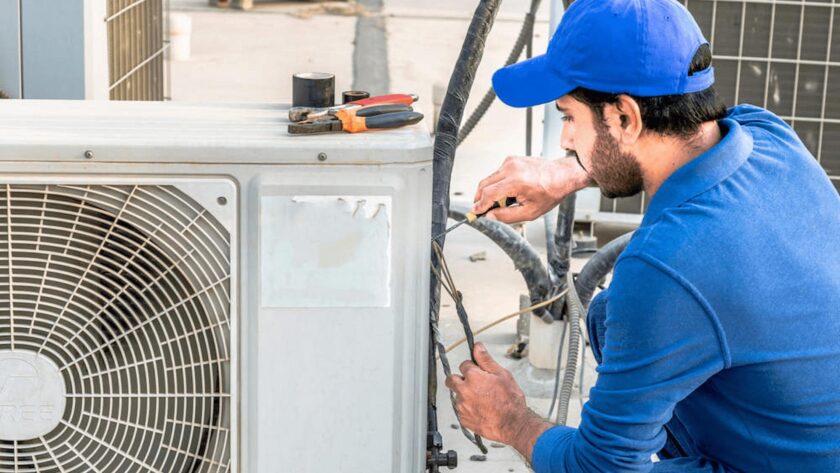
HVAC repair focuses on restoring function. It addresses specific faults such as worn components, electrical issues, or airflow problems. When systems are relatively new, repairs are usually practical and cost-effective. Replacement, however, involves installing an entirely new system. This option becomes relevant when faults are recurring, performance declines, or efficiency drops.
Homeowners working with an experienced HVAC company in Plainfield, IL often face this decision after years of routine servicing. The key difference lies in long-term value. Repairs solve immediate problems. Replacement solves structural and age-related limitations. Knowing which path offers stability rather than temporary relief is essential.
A system that requires frequent attention may still operate, but it does so under strain. Over time, this strain increases running costs and reduces comfort. At a certain point, repairs stop being a solution and become a cycle.
Rising Repair Frequency and Costs
One of the strongest indicators that replacement should be considered is the frequency of repairs. Occasional fixes are expected. Repeated service calls within short periods are not. When one component fails after another, the system is signalling deeper wear. Costs also matter. If repair bills are approaching a significant percentage of the cost of a new system, continued investment becomes difficult to justify. Money spent on aging equipment does not improve efficiency or reliability. It only delays the inevitable.
Older systems often require parts that are harder to source. Labour times increase. Temporary fixes become common. These factors combine to push repair costs higher with diminishing returns. At this stage, replacement provides clearer financial predictability and fewer interruptions.
Declining Energy Efficiency and Higher Bills
Energy efficiency tends to decline gradually, making it easy to overlook. A system may still heat or cool the property, but it works harder to achieve the same result. This extra effort increases energy use and monthly bills.
Older HVAC systems lack modern efficiency standards. Even when repaired, they cannot match the performance of newer designs. If energy costs rise despite unchanged usage patterns, the system may be operating inefficiently due to age rather than a single fault.
Repairing individual components does not restore lost efficiency. Replacement addresses this issue at its core. Improved efficiency reduces operating strain, stabilises indoor temperatures, and lowers long-term energy consumption.
Inconsistent Comfort and Performance Issues
Comfort problems are another warning sign. Uneven temperatures, weak airflow, or extended run times suggest the system can no longer distribute heating or cooling effectively. These issues often point to internal wear rather than isolated defects.
As systems age, their ability to maintain balanced performance declines. Repairs may temporarily correct symptoms, but underlying limitations remain. Over time, comfort becomes inconsistent across rooms and floors.
Replacement resolves these performance gaps by restoring full system capacity. It also allows for proper sizing and airflow optimisation, which repairs cannot achieve in older installations.
System Age and Expected Lifespan
Most HVAC systems have a predictable lifespan. While maintenance can extend this period, it cannot prevent eventual decline. Once a system exceeds its typical service life, failures become more likely.
Age alone does not mandate replacement, but it changes the context of repairs. A single fault in an older system often leads to additional issues. Materials fatigue. Efficiency drops. Reliability becomes uncertain.
At this stage, replacing the system reduces the risk of sudden breakdowns. It also allows homeowners to plan upgrades on their terms rather than reacting to emergencies.
Safety and Reliability Concerns
Safety should never be overlooked. Electrical faults, airflow restrictions, or combustion issues can create risks when systems deteriorate. Older units may lack modern safety controls, increasing vulnerability during operation.
Repeated repairs may mask these risks rather than eliminate them. Replacement ensures that current safety standards are met and reduces the likelihood of hazardous failures.
Reliability also matters. A system that cannot be trusted during extreme weather creates stress and inconvenience. Replacement restores confidence in daily operation.
Frequently Asked Questions
How many repairs are too many for an HVAC system?
There is no fixed number, but frequent repairs within a short timeframe are a clear warning sign. If the system needs attention every season or multiple times in a year, it often indicates underlying wear rather than isolated faults. At that stage, continued repairs usually deliver diminishing value.
Is it better to repair an older system if it still runs?
A system that still operates may not be performing efficiently or reliably. Older units often consume more energy and struggle to maintain consistent temperatures. While short-term repairs may keep them running, they rarely restore lost efficiency or prevent future breakdowns.
Do rising energy bills always mean replacement is needed?
Not always, but they are an important signal. If energy costs increase despite similar usage patterns, the system may be working harder to achieve the same output. When efficiency cannot be improved through basic repairs, replacement becomes a more practical solution.
Can replacement reduce long-term maintenance needs?
Yes. New systems typically require fewer repairs during their early years and operate with modern components designed for durability. This reduces unexpected service calls and allows for more predictable maintenance planning.
When is the best time to consider replacement?
The ideal time is before a complete breakdown occurs. Planning replacement during stable operating periods avoids emergency decisions, reduces disruption, and allows homeowners to evaluate options based on long-term comfort and cost rather than urgency.
Final Thoughts
Deciding between repair and replacement requires looking beyond the immediate problem. It involves assessing long-term costs, comfort, efficiency, and reliability. Repairs are appropriate when systems are young, faults are isolated, and performance remains stable. Replacement becomes the better choice when age, cost, and performance issues overlap.
By recognising these signs early, homeowners can avoid unnecessary spending and prolonged discomfort. A well-timed replacement offers consistent performance, predictable costs, and improved efficiency. In the long run, stopping the repair cycle is often the most practical decision.