Direct drive wheels bring force feedback and precision that entry-level gear can’t match — but they also come with decisions that matter: torque, desk or rig mounting, pedal and wheel compatibility, and real-world performance. For first-time buyers, choosing the right setup can mean the difference between frustration and fast progress. Knowing what to prioritise ensures your first wheel delivers performance that truly matches your space, budget, and ambitions.
For many beginners, the move to a direct drive wheel marks a major step forward in sim racing. The promise of sharper feedback, smoother steering response, and greater control is appealing, but it also raises important questions about setup, compatibility, and usability. Entry-level direct drive systems like Moza R3 have made this technology more accessible, yet choosing the right option still requires careful consideration. Understanding what truly matters before buying helps new drivers avoid overspending, reduce frustration, and build a setup that supports steady improvement from the start.
Why Direct Drive Wheels Feel Different From the Start
Direct drive technology removes belts and gears from the steering system. The wheel connects directly to the motor shaft, delivering force feedback without delay or loss of detail. For beginners, this means steering inputs feel immediate and consistent. Every correction, slide, and weight shift is communicated clearly through the wheel.
This level of clarity helps new drivers develop better steering habits early. However, it also means poor setup choices are more noticeable. Selecting a wheel that balances control and usability is more important than chasing extreme specifications.
Why Higher Torque Is Not Always the Better Choice
Torque ratings often dominate buying decisions, but they are frequently misunderstood. Higher torque does not automatically create a better experience, especially for beginners. Excessive force can cause fatigue and reduce precision during longer sessions.
A moderate torque range allows drivers to feel grip loss, road texture, and steering resistance without overwhelming their hands. Smooth, predictable feedback supports consistency and learning. Beginners benefit most from controllable force rather than raw strength.
Space, Mounting, and Physical Compatibility
Direct drive wheelbases are compact but heavier than older wheel types. Stable mounting is essential to preserve feedback quality and protect the hardware. Desk users should verify clamp strength and desk thickness limits before purchasing.
Rig users need to check mounting patterns, clearance, and structural rigidity. Flex or movement under load reduces detail and creates inconsistency. Physical compatibility is often overlooked, yet it directly affects performance and comfort.
Software Quality Shapes the Entire Experience
Force feedback tuning relies heavily on software. Adjustment options such as damping, filtering, rotation range, and feedback curves determine how the wheel behaves in different cars and simulators. Beginner-friendly software should offer clear presets and logical menus.
A stable software ecosystem allows gradual refinement without confusion. Poor software can limit performance even when the hardware itself is capable. Ease of setup is especially important during the early learning phase.
Platform Support and Long-Term Flexibility
Not all direct drive wheels support every platform. Some models are PC-only, while others require specific versions for console compatibility. Beginners should confirm support for their current system and consider future plans before buying.
Changing platforms later may require replacing the entire wheelbase. Planning ahead protects your investment and avoids unnecessary upgrades as your sim racing interests evolve.
Steering Wheel Rims and System Modularity
Many direct drive systems support interchangeable steering rims. This allows the wheelbase to adapt to different racing styles without replacement. A versatile round or hybrid rim is ideal for beginners, offering broad usability across disciplines.
A modular ecosystem enables gradual expansion. Compatibility within the same product range becomes increasingly valuable over time, reducing long-term costs and improving flexibility.
Accessible Direct Drive Options for Beginners
Entry-level direct drive systems focus on control, clarity, and ease of use rather than extreme output. Products in this category introduce direct drive precision without overwhelming new drivers.
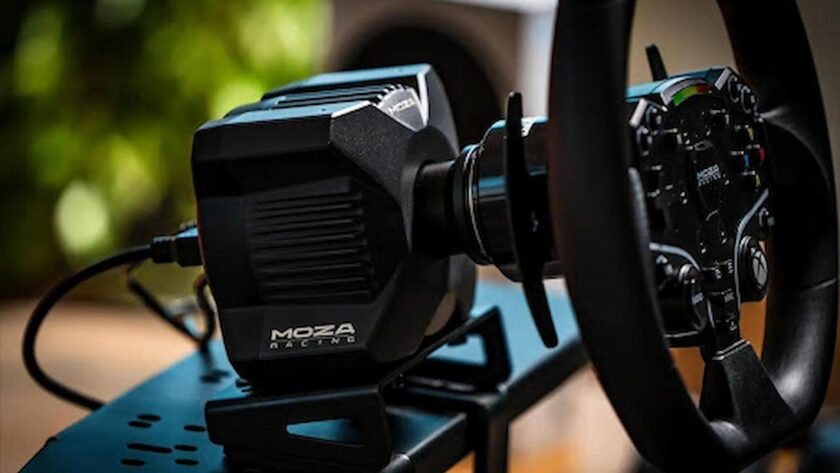
Models like the Moza R3 represent this balanced approach. Designed to deliver smooth, consistent force feedback in a compact format, this type of wheelbase helps beginners experience direct drive realism while maintaining comfort and control.
Heat Management and Noise Levels
Direct drive motors generate heat during extended use. Efficient cooling systems maintain consistent output and prevent performance drop-off. Noise levels are equally important, particularly in shared spaces.
A quiet, well-cooled wheelbase encourages longer practice sessions and reduces distraction. Comfort plays a key role in how often and how effectively beginners train.
Budget Planning Beyond the Wheelbase
The wheelbase is only one part of a complete setup. Mounting solutions, power supplies, compatible pedals, and optional rims all affect the final cost. Beginners should plan holistically rather than allocating the entire budget to a single component.
A balanced system delivers better results than mismatched premium parts. Thoughtful budgeting ensures smoother upgrades and long-term satisfaction.
Choosing a Wheel That Supports Progress
A first direct drive wheel should remain relevant as skills improve. Expandable software, firmware updates, and modular hardware extend usability. The goal is not peak performance on day one, but steady development over time.
Selecting a system that grows with you prevents early replacement and supports continuous improvement.
Conclusion
Buying a first direct drive wheel is a significant step for any beginner. The decision should be guided by balance rather than marketing claims. Torque control, mounting stability, software usability, and platform compatibility all shape the real-world experience far more than headline figures.
Entry-level direct drive systems demonstrate that realism does not require excess complexity. Options such as the Moza R3 show how thoughtful design can deliver clarity, comfort, and control for new drivers. When chosen carefully, a direct drive wheel becomes a long-term foundation rather than a short-term experiment. For those exploring sim racing hardware through SimRacer UK, understanding these fundamentals ensures a confident, future-ready purchase.